
Ayurvedic Treatment in Kolkata for AVN Avascular Necrosis
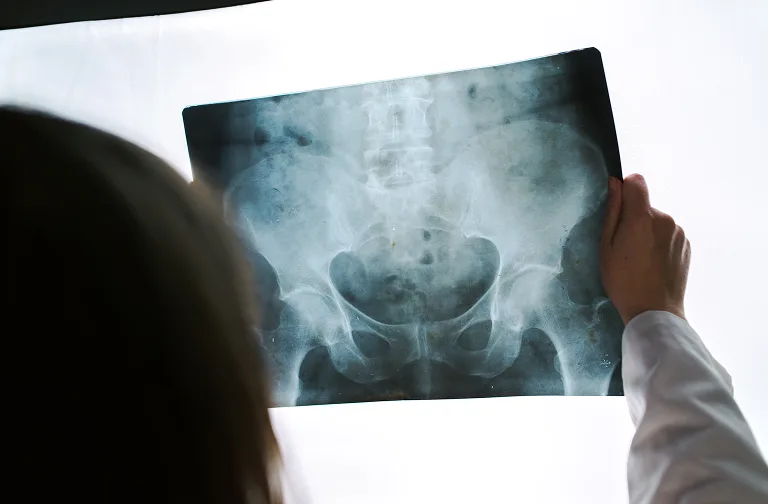
AVN – Avascular Necrosis is a serious joint condition where blood supply to the bone is reduced or completely blocked. Without proper blood flow, bone tissue begins to weaken and die, leading to structural damage and joint collapse.
Early symptoms may be subtle—deep, aching joint pain, stiffness after rest, or reduced range of motion.
From an Ayurvedic perspective, AVN is linked to aggravated Vata Dosha, impaired circulation, toxin accumulation (Ama), and weakened nourishment of bone (Asthi Dhatu) and marrow (Majja Dhatu).
Ayurveda works to improve tissue nutrition and support joint function through Panchakarma procedures and lifestyle guidance.
If joint pain is quietly stealing your mobility, waiting isn’t an option.
Reach out to Ayusya Ayurvedic Superspeciality Treatment Centre for avascular necrosis treatment and protect your joint health.
Benefits of Ayurvedic Treatment for AVN Avascular Necrosis
- Helps Slow Down Disease Progression in the Early Stages
- Improves Blood Flow to the affected Bone Tissue
- Reduces Pain and Movement-Related Discomfort
- Supports Bone and Marrow Tissue Health
- May help delay Surgical Intervention
- Enhances Joint Function and Quality of Life
Ayurvedic Treatments for AVN Avascular Necrosis

Basti (Medicated Enema Therapy)
This Ayurvedic treatment plays a central role in AVN management by pacifying aggravated Vata and supporting the circulation and nourishment of bone and marrow tissues. It helps reduce pain, stiffness, and further degeneration of the affected joint.
Abhyanga (Therapeutic Medicated Oil Massage)
Abhyanga improves local blood flow and relaxes surrounding muscles, supporting nutrient delivery to compromised bone tissue. It helps ease stiffness and movement-related discomfort in AVN.
Swedana (Herbal Steam Therapy)
Swedana enhances circulation and opens blocked channels, allowing better oxygen and nutrient flow to the affected area. It also reduces rigidity and prepares tissues for deeper healing therapies.
Virechana (Purgation Therapy)
This Ayurvedic therapy helps eliminate inflammatory toxins and excess Pitta that can worsen tissue damage and impaired circulation. It supports metabolic balance and may slow disease progression.
Rasayana Therapy (Rejuvenative Therapy)
Rasayana therapies focus on rebuilding depleted Asthi Dhatu and Majja Dhatu, supporting bone strength and resilience. They are crucial for long-term joint preservation and recovery after detoxification.
What Happens When AVN Avascular Necrosis is Left Untreated? An Ayurvedic Perspective
Progressive Bone Tissue Death (Asthi–Majja Kshaya)
Continued loss of blood supply leads to weakening and collapse of bone tissue, accelerating joint damage.
Severe Aggravation of Vata and Circulation Failure
Uncontrolled Vata disrupts nourishment and movement within the joint, worsening pain and stiffness.
Structural Joint Collapse and Loss of Mobility
As the bone weakens, joint surfaces deform, making normal movement painful and increasingly limited.
Dependence on Surgical Intervention
Delayed care often results in advanced degeneration, where joint replacement becomes the only option.
What Patients Also Ask
How does Ayurveda explain AVN (Avascular Necrosis)?
Why does reduced blood supply cause bone damage in AVN?
What role does Vata Dosha play in avascular necrosis?
Vata Dosha aggravation and bone tissue damage go hand in hand in AVN. Excess Vata causes dryness, degeneration, pain, and loss of structural strength in affected joints.
How do inflammation and metabolism affect AVN progression?
Can lifestyle factors influence AVN and its management?
Our Testimonials
What Our Patients Say



Trusted by 2000+
patients for safe, effective Ayurvedic healing every day.